
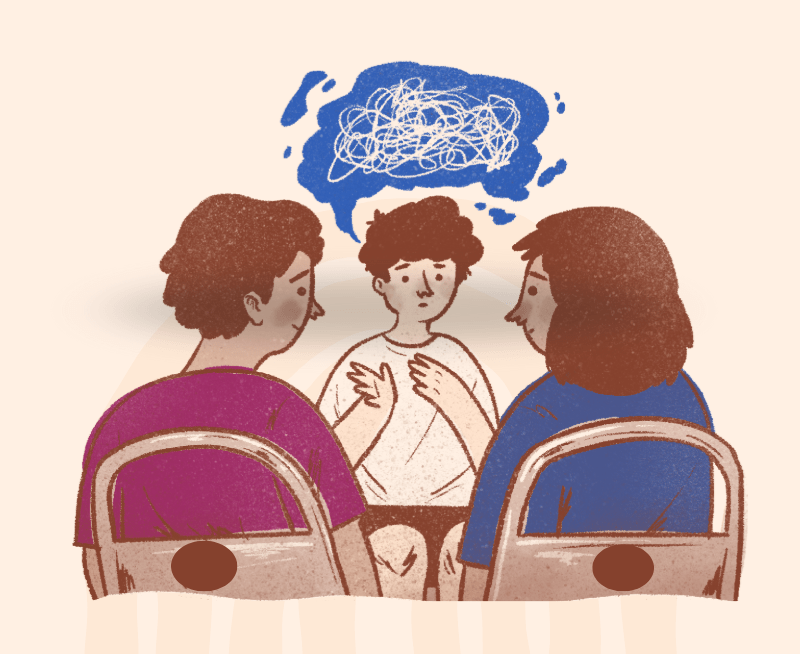
Mental health affects far more people than we often realize, yet many still suffer in silence. Research consistently shows that a significant number of adults experience mental health challenges each year, but the majority never seek professional support. One of the biggest reasons isn’t a lack of resources—it’s stigma.
Stigma shows up as shame, fear, and misinformation. It discourages people from opening up, asking for help, or even acknowledging what they’re feeling. But stigma only survives when conversations stop. When we talk openly about mental health with empathy and understanding, we make it easier for others to do the same—and we create communities where no one has to struggle alone.
Understanding the Stigma Around Mental Health
Before stigma can be dismantled, it’s important to understand why it exists and how it operates.
Social Stigma
Social stigma occurs when mental illness is viewed as a personal weakness or moral failing. Historically, mental health conditions were misunderstood and often blamed on character flaws or supernatural causes. As a result, people were marginalized, institutionalized, or excluded from society.
Although mental health awareness has improved, many harmful stereotypes remain. Media portrayals frequently sensationalize mental illness, reinforcing fear and misunderstanding rather than reflecting the everyday realities of those living with these conditions.
Self-Stigma
Self-stigma develops when people internalize these societal messages. Individuals may begin to believe they are broken, weak, or undeserving of help. This internalized shame can prevent people from reaching out for support and can significantly delay recovery.
Structural Stigma
Stigma isn’t only personal—it’s systemic. Barriers such as limited insurance coverage, workplace discrimination, underfunded mental health services, and dismissive healthcare experiences all contribute to unequal access to care. These structural challenges reinforce the idea that mental health is less important than physical health.
Cultural Influences
Cultural beliefs strongly shape how mental health is discussed. In some communities, mental illness is taboo, associated with family shame, or dismissed altogether. Religious beliefs, generational attitudes, and cultural norms all influence whether people feel safe speaking openly. Understanding these differences is essential for creating inclusive and effective mental health conversations.
The Consequences of Staying Silent About Mental Health
Silence gives stigma power—and its effects ripple far beyond the individual.
For Individuals
When people avoid seeking help due to fear of judgment, symptoms often worsen. Untreated mental health conditions can impact relationships, work performance, and physical health. Social withdrawal and isolation increase, reinforcing a painful cycle that becomes harder to break over time.
For Families
Families may struggle to support loved ones when mental health is never discussed openly. Misunderstandings grow, communication suffers, and emotional needs go unmet. Children, in particular, may learn to suppress their feelings, believing emotional struggles should be hidden.
For Communities
Communities feel the impact as well. Untreated mental illness contributes to decreased productivity, increased absenteeism, and greater strain on healthcare systems. Schools, workplaces, and neighborhoods are all healthier when mental wellbeing is prioritized.
How to Start an Open Conversation About Mental Health
Talking about mental health can feel intimidating, but meaningful conversations often begin with small, intentional steps.
Choose the Right Time and Space
Select a quiet, private setting where both people can focus without distractions. Let the other person know ahead of time that you’d like to talk about something personal.
Start with Someone You Trust
Choose someone who listens without judgment and respects your boundaries. Feeling emotionally safe makes it easier to open up honestly.
Be Clear About What You Need
Before the conversation, reflect on what you’re hoping for—whether it’s emotional support, advice, or simply being heard. Communicating this can prevent misunderstandings.
Share at Your Own Pace
You don’t owe anyone your entire story. Share only what feels comfortable and allow yourself to open up gradually.
Use the Communication Style That Feels Best
If face-to-face conversations feel overwhelming, writing a message, email, or letter can be just as effective. There is no “right” way to talk about mental health.
Prepare for Different Reactions
Not everyone will respond perfectly. Some people may need time to process or may not know what to say. Their reaction reflects their own comfort level—not the validity of your experience.
Consider Professional Support
Mental health professionals provide a safe, non-judgmental space to talk openly. Therapy can help you process emotions, develop coping strategies, and practice difficult conversations with others.
How to Support Someone Who Opens Up to You
When someone trusts you with their mental health struggles, your response matters.
Practice Active Listening
Give your full attention. Avoid interrupting or immediately offering solutions. Ask open-ended questions that encourage sharing.
Lead with Empathy
You don’t need to fully understand someone’s experience to validate it. Acknowledge their feelings and thank them for trusting you.
Avoid Judgment or Diagnosis
Refrain from minimizing their feelings or trying to label their experience. Let professionals handle diagnoses.
Respect Their Boundaries
Allow them to share only what they’re comfortable with. Trust builds over time.
Offer Support, Not Assumptions
Ask what kind of help would feel most supportive. Sometimes listening is enough; other times, helping find resources can be meaningful.
Know Your Limits
Supporting someone doesn’t mean carrying everything alone. Encourage professional help when needed and take care of your own mental health as well.
Moving Forward: A Call to Action
Breaking the stigma around mental health doesn’t require perfect words—it requires willingness. Every honest conversation chips away at silence. Every compassionate response reminds someone they’re not alone.
If this post resonated with you, consider taking one small step today:
- Start a conversation with someone you trust
- Check in on a friend who might be struggling
- Share this post to help normalize mental health discussions
- Or reach out for professional support if you need it
Open conversations save lives. By choosing empathy, curiosity, and honesty, we can build a world where mental health is treated with the same care and respect as physical health—and where no one has to suffer in silence.
For more information on organizations providing mental health support, please visit our resources section.
Sources:
- How to Open Up About Your Mental Health: Telling Someone You’re Not Okay. Talkspace. Accessed January 24, 2026.
- Stigma, Prejudice and Discrimination Against People with Mental Illness. American Psychiatric Association. Accessed January 24, 2026.
- Breaking the Stigma: How to Talk About Mental Health in Your Community. NAMI. Accessed January 24, 2026.
- Breaking the Silence: Open Conversations About Mental Health. With Behavioral Health. Accessed January 24, 2026.
- Breaking the Stigma With Open Conversations About Mental Health. Abundance Therapy Center. Accessed January 24, 2026.
- Breaking the Stigma: How to Start Conversations About Mental Health. TherapyRoute. Accessed January 24, 2026.