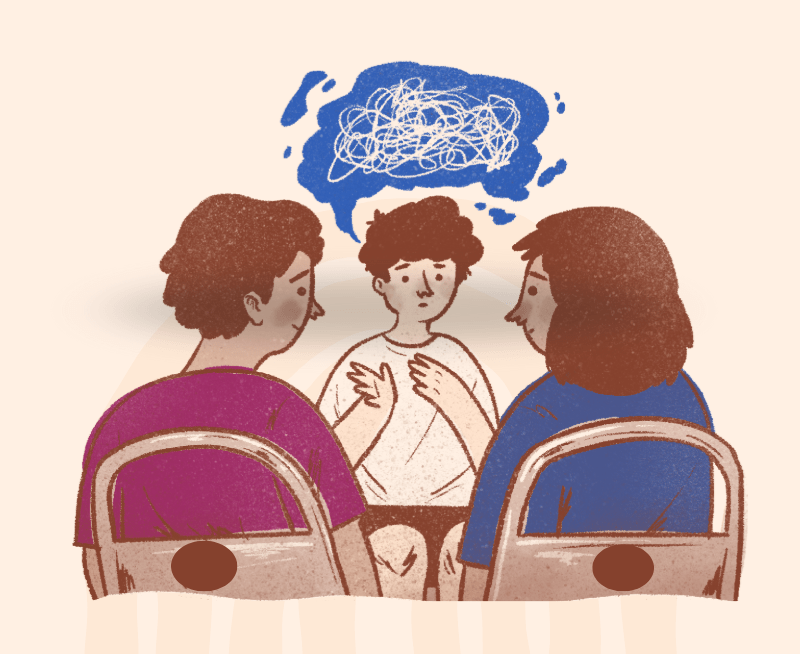


There’s a good chance someone in your life is struggling right now — even if they haven’t said it out loud. Maybe it’s the friend who suddenly became distant. It could be the partner who hasn’t seemed like themselves lately. Perhaps, it’s the sibling who always says “I’m just tired.”
While we like to think we could spot it right away, mental health struggles don’t always look dramatic. Sometimes they look like canceled plans, shorter texts, irritability, exhaustion, isolation, or simply trying to survive the day without falling apart.
One of the hardest parts about supporting someone through anxiety, depression, grief, or emotional pain is that many people genuinely want to help — they just don’t know how.
The truth is: you don’t need to have all the answers to make a difference. Often, the most meaningful support comes from small, consistent acts of care. People who are struggling just want to know that someone truly cares and is there to support them.
Here are some practical and realistic ways to support the people you love when they’re struggling with their mental health.
Stop trying to “fix” them
This is one of the most common mistakes people make, usually with good intentions. When someone is hurting, our instinct is often to try to solve the problem, give advice, find the silver lining, or tell them to just “cheer up.”
However, mental health struggles are rarely fixed by a perfect sentence or a platitude. Sometimes people don’t need solutions or advice right away. They want to know they can talk about their problems without judgement or without someone trying to solve them. They need someone who can sit with them in the hard moments and just listen.
Instead of saying:
- “Everything happens for a reason.”
- “Just stay positive.”
- “Other people have it much worse.”
Try saying:
- “I’m here for you. Tell me how you’ve been feeling.”
- “That sounds really heavy.”
- “You don’t have to go through this alone.”
Sometimes, feeling heard can be more healing than advice or motivational words.
Check in consistently — not just once
A lot of people check in during the obvious moments of crisis. However, few people continue to show up afterward. Support is not a one time offering. Most people need ongoing consistency and presence throughout their journey.
Checking in on someone can look like:
- A quick text
- A phone call
- Sending a funny photo or video
- Inviting them somewhere without pressure
- Asking how therapy is going
- Remembering difficult anniversaries or dates
The small things matter more than people might realize. Someone struggling may not always know how to ask for help. Consistent check-ins remind them that they are still seen, even when they withdraw or self-isolate. Checking-in can also allow for more opportunities for the other person to feel comfortable opening up.
Learn to recognize that struggling doesn’t always “look” a certain way
While there are often people who exhibit specific signs that they are struggling, not everyone who struggles openly cries or talks about their pain.
Some people might:
- Overwork
- Stay constantly busy
- Isolate themselves
- Become irritable
- Joke about everything
- Seem “fine” on the surface
High-functioning anxiety, depression, burnout, and emotional exhaustion are very common. Just because someone is productive or continues on with their normal routine, does not mean that they aren’t struggling inside.
Sometimes the people who seem the strongest are carrying the heaviest weight of all. It’s important to recognize that mental health struggles do not always present in a stereotypical way.
Don’t take their withdrawal personally
When someone is struggling mentally, they may stop responding, cancel plans, become emotionally distant, or indicate that they need space. This doesn’t mean that they don’t care about you.
Mental health challenges can make even simple communication feel exhausting. Many people isolate themselves because they don’t want to feel like a burden, don’t know how to explain what they’re going through, or simply feel emotionally drained.
You can respect their space while still reminding them you care. A message as simple as: “No pressure to respond. Just wanted you to know I’m thinking about you.” can mean more than you realize.
Encourage professional help without judgment
You do not have to carry the responsibility of being someone’s therapist. Supporting someone also means recognizing when additional help may be needed. Therapy, counseling, support groups, medication, and mental health resources can help to provide much needed support, guidance, and treatment.
Many people may hesitate to seek treatment due to fear, shame, financial concerns, cultural sigma, or feeling like their struggles just “aren’t bad enough” to warrant help. For more insight on the stigma surrounding mental health check out our blog post.
Instead of pushing someone to seek help, try approaching the conversation with empathy and compassion. Some ways to start the conversation could look like:
- “Have you thought about talking to someone professionally?”
- “You deserve support too.”
- “I’d help you look into options if you want.”
Encouragement can help to signal to your loved one that you care about their wellbeing and are supportive of their treatment. By finding ways to be supportive and encouraging, you can help foster a safe bond. Avoid applying pressure to someone who may not be ready to take the next step.
Take suicidal thoughts seriously
If someone talks about hopelessness, feeling like a burden, or not wanting to be here anymore, do not dismiss it as attention-seeking. It is a serious conversation and warrants your attention.
In these situations, sometimes people avoid asking questions because they are afraid they might say the wrong thing. But if we stay silent, it can be very damaging to an individual’s mental health and safety.
You try can asking:
- “Are you feeling safe?”
- “Have you been having thoughts of hurting yourself?”
- “Do you want to talk about what’s been going on?”
If someone may be in immediate danger, encourage them to contact emergency services or resources like the 988 Suicide & Crisis Lifeline.
Support them in practical ways too
Mental health struggles can make everyday tasks feel overwhelming. Sometimes practical support is just as meaningful as emotional support.
That might look like:
- Bringing over a meal
- Helping with errands
- Watching their kids for a few hours
- Going on a walk together
- Helping them clean their space
- Sitting with them during difficult appointments
You don’t always have to say something profound. Sometimes just your presence can be more than enough. When someone is struggling with their mental health, even small tasks like loading the dishwasher or grocery shopping can feel like a huge burden. By stepping in to help with small tasks, you are signaling to your loved one that they are not alone.
Remember that healing is not linear
For many, mental health struggles are a lifelong journey. Healing doesn’t always happen in linear progression. Someone can be doing better, but still have hard days. They might be making progress, but still struggle at times. Your loved one might laugh and smile, but could still be hurting on the insight.
As difficult as it is, try not to become frustrated if someone repeats unhealthy patterns, has setbacks, or requires ongoing support.
Growth often happens slowly, imperfectly, and in a person’s own time. By keeping this in mind you can manage your own expectations and continue to be a patient, supportive presence in your loved one’s journey.
Take care of your own mental health too
Supporting someone through difficult times can be emotionally draining and exhausting. While we all want to be there for our loved ones, you are allowed to set boundaries in order to protect your own well-being. Sometimes this might look like asking for support yourself or admitting when you’re overwhelmed.
Caring about someone does not mean sacrificing yourself completely. It’s important to fill your own cup, before you can help others. It’s important to take care of your own emotional and mental health, especially when you are serving as a support system to another person.
Final Thoughts
Supporting someone with mental health struggles is not about being perfect. It’s about being present, compassionate, patient, and open-minded.
Oftentimes people won’t remember what you said during their hardest moments. But they will remember who checked in, who listened, who stayed, and who made them feel less alone.
In a world where so many people silently struggle, presence, kindness, and compassion matter so much more than we realize. Sometimes healing begins with something as simple as: “I’m here for you.”